Extreme heat and changes to land-use could put nearly 8,000 animal species around the world at a threat of extinction by the end of this century, according to a new study. An international team, led by researchers at the UK's University of Oxford, looked at nearly 30,000 species of amphibians, birds, mammals, and reptiles. "By the end of the century, up to 7,895 species are expected to face extreme heat events and/or unsuitable land use changes across their entire range, and thus potentially go globally extinct," the authors wrote in the study published in the journal Global Change Biology. Suitable habitats for each species were taken from the International Union for Conservation of Nature (IUCN) database, and maps of future habitat types for the species from the 'Land-Use Harmonisation 2' (LUH2), managed by the US' University of Maryland. Lead researcher Reut Vardi, postdoctoral researcher, school of geography and the environment at the University of Oxford, said, "Our research highlights the importance of considering the potential effects of multiple threats together to get a better estimation of their potential impact. It further stresses the urgency of conservation and mitigation actions globally to prevent immense losses to biodiversity." Under the most severe of the four scenarios modelled, species could be expected to face unsuitable conditions across 52 per cent of the range across which they are distributed -- under the best case scenario, 10 per cent of the species' range could be affected. The combined effects of climate and land-use change are projected to be particularly acute in regions including the Sahel (for example, Sudan, Chad and Niger), the Middle East, and Brazil. The findings are in line with those from previous studies that show the most extensive land-use changes under a future emissions scenario marked by high challenges in mitigating and adapting to climate change, the researchers said. The study can help guide conservation policymaking and underlines how future environmental changes could dramatically reshape global biodiversity. It also highlights the importance of identifying and mitigating these interacting threats, the team said. This story has been sourced from a third party syndicated feed, agencies. Mid-day accepts no responsibility or liability for its dependability, trustworthiness, reliability and data of the text. Mid-day management/mid-day.com reserves the sole right to alter, delete or remove (without notice) the content in its absolute discretion for any reason whatsoever
12 December,2025 06:02 PM IST | New Delhi | PTIDeodar trees in picturesque Sangla valley of Himachal's Kinnaur district have unfolded a shift from wetter spring conditions during Little Ice Age (LIA) to progressive drier conditions since 1757 AD with noticeable increase in spring drought years in recent decades. A study conducted by the Birbal Sahni Institute of Palaeosciences (BSIP), an autonomous institute of the Department of Science and Technology (DST), following rock fall incidence near Batseri village in the district in July 2021, in which several deodar trees were damaged, analysed factors responsible for the geohazard activities to enable better prediction of future hazard events to support early warning systems. According to an official statement issued by the Ministry of Science and Technology on Thursday, the study based on past climates using dating of annual growth layers in trees (dendroclimatology and dendrogeomorphology) underscored the need for robust reconstructions of past hydroclimatic variability and related geohazard episodes in view of increasing frequency of extreme climatic events. The extreme climate events include droughts and floods and their strong association with geohazards like landslides, glacial lake outburst flood (GLOFs), rock falls and snow-avalanches, especially in the Himalayan area. Dendroclimatology is the science of using information from tree rings to study and reconstruct past climate conditions while Dendrogeomorphology is the science of using growth anomalies and disturbances in tree-ring records to date and understand past geological and geomorphological processes. Tree-rings, which are layers of new wood that form each year, providing a record of the tree's age and past environmental conditions act as natural archives to such climatic and geohazard events, offering the potential to bridge this knowledge gap due to absence of long-term high-resolution records and stirred the need to understand the interactions between moisture variability and geohazard dynamics from the Himalayan region, the study said. The study showed that tree growth is highly sensitive to spring months' (February to April) moisture, primarily influenced by winter precipitation derived through Western Disturbances (WDs). A total of 53 rock fall events, including eight of high intensity, were linked to dry spring conditions, especially after year 1960, indicating climate-induced ground instability while the spring drought conditions led to slopes with poor vegetation cover, exposing them to vulnerability when the dry conditions are followed by the intense summer monsoon rainfalls. The findings highlight the critical role of climate variability, driven by regional and global factors, in triggering the geohazards, underscoring the need for forest management, monitoring, and early warning systems. This study provided insights on how climate variability, specially the spring and pre-monsoon summer droughts trigger geohazards in the vulnerable Himalayan regions, the statement said. This story has been sourced from a third party syndicated feed, agencies. Mid-day accepts no responsibility or liability for its dependability, trustworthiness, reliability and data of the text. Mid-day management/mid-day.com reserves the sole right to alter, delete or remove (without notice) the content in its absolute discretion for any reason whatsoever
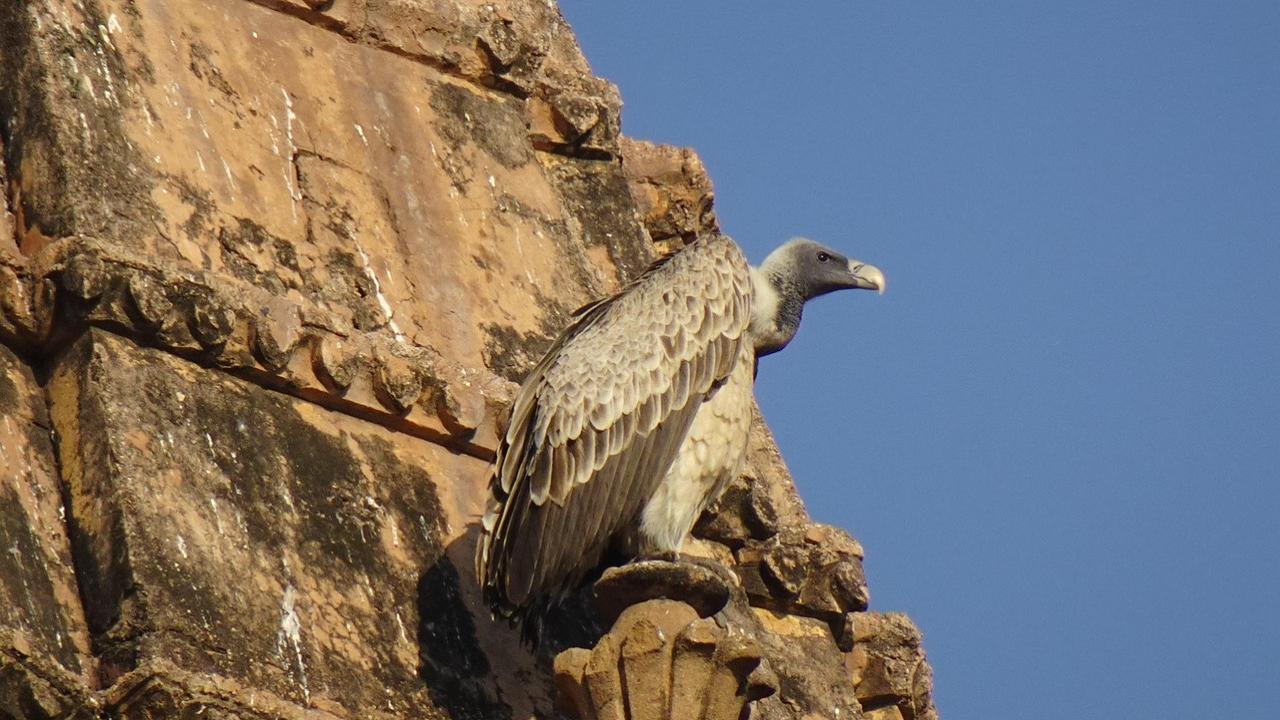
12 December,2025 03:11 PM IST | Shimla | PTIThe Central Zoo Authority (CZA), a statutory body of the Ministry of Environment, Forest and Climate Change (MoEFCC), Government of India has approved the transfer of 30 White-rumped Vultures (Gyps bengalensis) and five Slender-billed Vultures (Gyps tenuirostris) from Vulture conservation and breeding centre, Rani, Guwahati to the 6th Addition of Kaziranga National Park & Tiger Reserve (NP&TR) under Bishwanath Wildlife Division. Taking to social media, Assam Chief Minister Himanta Biswa Sarma posted, "Glad to announce the release of 30 White-rumped & 5 Slender-billed Vultures from VCBC, Rani into @kaziranga_'s 6th Addition. Like Jatayu soaring in Ramayana, these guardians of our health return to the wild, marking a triumph of our dedicated conservation efforts." Both the slender-billed vulture (Gyps tenuirostris) and white-rumped vulture (Gyps bengalensis) are classified as Critically Endangered on the IUCN Red List. They are also protected under Schedule I of India's Wildlife Protection Act, 1972, offering the highest level of legal safeguards. Sonali Ghosh, Field Director of Kaziranga National Park & Tiger Reserve, said that "Assam serves as the primary stronghold for slender-billed vultures in India, hosting breeding populations, particularly near Kaziranga National Park, though their numbers may be on a decline due to threats like poisoning from pesticide-laced cattle carcasses. White-rumped vultures are present across the state but face similar population crashes, prompting active conservation at sites like the Vulture Conservation Breeding Centre in Rani, Kamrup, which holds a sizable number of captive individuals. " Vultures hold mixed cultural roles in India, often viewed as symbols of environmental balance and purity in rural communities, where their presence near cremation grounds along riverbanks traditionally signified a natural cycle of death and decay. Hindu reverence for vultures, such as the heroic Jatayu and Sampati from the Ramayana epic, also highlights their strength and keen eyesight. "Vulture populations in India, including species like white-rumped, slender-billed, and Indian vultures, numbered in the tens of millions in the late 20th century but crashed by over 97% for some species between the mid-1990s and early 2000s. By 2007, white-rumped vultures dropped to around 11,000 individuals, with slender-billed at about 1,000, marking the fastest decline ever recorded for any bird species. Recent estimates from 2023-2025 indicate lingering low numbers, such as 750-1,000 slender-billed vultures, with declines slowing but no significant recovery," Sonali Ghosh said. She further said that the veterinary drug diclofenac, used as a painkiller for livestock, caused kidney failure and visceral gout in vultures scavenging treated carcasses, with just 0.8-1% of contaminated carcasses sufficient to trigger the collapse. Widespread use across India, Pakistan, and Nepal from the 1990s led to high poisoning rates confirmed in dead vultures, accounting for nearly all mortality during peak declines. "Habitat loss, persecution, and other NSAIDs contributed marginally, but diclofenac dominated, leading to ecological fallout like increased feral dog populations, rabies spread, and over 500,000 human deaths from 2000-2005 due to un-scavenged carcasses. Bans on diclofenac for veterinary use since 2006 have halted rapid declines, though populations remain critically low without full recovery," she also said. The Field Director of Kaziranga National Park & Tiger Reserve said that the 6th addition to Kaziranga National Park, as administered by Bishwanath Wildlife Division, was selected as the release site due to its expansive forested landscapes, abundant carrion resources from large herbivores within Kaziranga's extended buffer. "Ongoing anti-poaching measures and vulture-friendly veterinary practices further enhance its suitability for soft releases, promoting natural foraging and nesting behaviours. A release aviary has been constructed by Kaziranga Park Authority with technical supervision of BNHS near the Tewaripal forest camp, from which the vultures will be released to the wild in the coming months as per the scientific soft release protocol. In parallel, various awareness programmes on Vultures, their biological importance and threats, etc, have been conducted for the local communities, in various educational institutes and with veterinarians. The program supports vulture population recovery amid ongoing threats like NSAIDs(Diclofenac, Aceclofenac, Nimesulide, etc) and Pesticide poisoning in Northeast India," she said. She further said that the transfer marks a prominent step in reintroduction efforts for species such as the White-rumped and Slender-billed vultures. The Vulture Conservation Breeding Centre-Rani, under Assam's Forest Department and BNHS ,leads captive breeding and conservation for South Asia's declining Gyps vulture (Resident) populations. The Bombay Natural History Society (BNHS) plans to release captive-bred slender-billed and white-rumped vultures--initially six in January 2026--in Assam's Kamrup and Biswanath districts, following over 15 years of breeding more than 800 vultures nationwide. These efforts, supported by the Assam Forest Department and RSPB, aim to restore flocks, combat diclofenac-related declines, and engage communities to reduce poison baiting. This initiative reinforces Assam's commitment to restoring vulture populations in the wild and enhancing the long-term success of conservation breeding and reintroduction efforts across the northeastern landscape.
10 December,2025 10:21 AM IST | Kaziranga (Assam) | ANIThe first giant panda cub born in Indonesia is noisy, nursing well and showing other signs of good health, the conservation park where he was born said Sunday. Indonesian Safari Park released video and photos showing the fuzzy newborn in an incubator and squirming and squealing while being cuddled by his mother. The mother, 15-year-old Hu Chun, gave birth to Satrio Wiratama nicknamed "Rio" on November 27 at the park in Cisarua, West Java province. The name symbolises the hope, resilience, and shared commitment of Indonesia and China in protecting endangered species, the park said in a statement. Indonesian President Prabowo Subianto announced the baby panda's name Thursday, December 4, and showed his photo when he met Wang Huning, a top Chinese political adviser and leading ideologist. Rio is stable and showing healthy early signs such as strong vocalisation, effective nursing and steady weight gain while being monitored constantly. He is expected to develop better temperature control, fur growth, open his eyes and move more in the next several weeks. The conservation park said it was prioritising the health and welfare of the mother and baby and he would not yet be accessible to the public. The adult pandas, Cai Tao and Hu Chun, arrived in Indonesia in 2017 on a 10-year conservation partnership with China. They live in an enclosure built for them at the park about 70 kilometres from Jakarta. Pandas are widely considered as China's unofficial mascot and its loans of the animals to overseas zoos have long been seen as a tool of Beijing's soft-power diplomacy, also known as "panda diplomacy". Giant pandas have difficulty breeding and births are particularly welcomed. There are less than 1,900 giant pandas in their only wild habitats in the Chinese provinces of Sichuan, Shaanxi and Gansu. This story has been sourced from a third party syndicated feed, agencies. Mid-day accepts no responsibility or liability for its dependability, trustworthiness, reliability and data of the text. Mid-day management/mid-day.com reserves the sole right to alter, delete or remove (without notice) the content in its absolute discretion for any reason whatsoever.
08 December,2025 11:04 AM IST | Jakarta | APAs December settles in and winter begins to take hold, the night sky gears up for one of its most anticipated sights of the year—the Cold Supermoon. Falling on December 4, this striking lunar event is not only December’s traditional full moon but also the final supermoon of 2025, rounding off a trio that began in October and continued through November. The term supermoon refers to a full moon that occurs when the Moon reaches or comes very close to perigee, the closest point to Earth in its elliptical orbit. This reduced distance makes the Moon appear slightly larger and significantly brighter—up to 30 pct more luminous than a typical full moon. Although the difference may not always be dramatic to the naked eye, the enhanced glow often creates a noticeable visual impact, especially under clear winter skies. December’s full moon has long been called the Cold Moon, a name rooted in traditional lunar calendars used by Indigenous communities and early farmers. It marks the arrival of winter’s chill, longer nights and a shift toward colder, quieter days. When this seasonal full moon coincides with perigee, the result is the Cold Supermoon—a natural spectacle that blends cultural symbolism with astronomical brilliance. Tonight’s Cold Supermoon is expected to shine with a crisp, silvery radiance. At perigee, the Moon will sit roughly 221,965 miles from Earth, making it appear subtly but noticeably larger than usual. Even if the precise peak illumination time hasn’t been specified, skywatchers across India can catch the full display simply by stepping outdoors after sunset on December 4. In cities such as Mumbai, the Moon will rise over the eastern horizon in the early evening, offering a clear view as long as clouds stay away. It is recommended to choose locations with minimal light pollution—rooftops, terraces, beaches, open grounds or any unobstructed space where the horizon is visible. Winter months often bring cleaner, drier air, creating ideal conditions for moon gazing. Whether you’re an astronomy enthusiast or simply someone who enjoys looking up at the night sky, the Cold Supermoon offers a moment of quiet wonder. As the last supermoon of 2025, it is a fitting finale to the year’s lunar highlights—brilliant, serene and unmistakably enchanting.
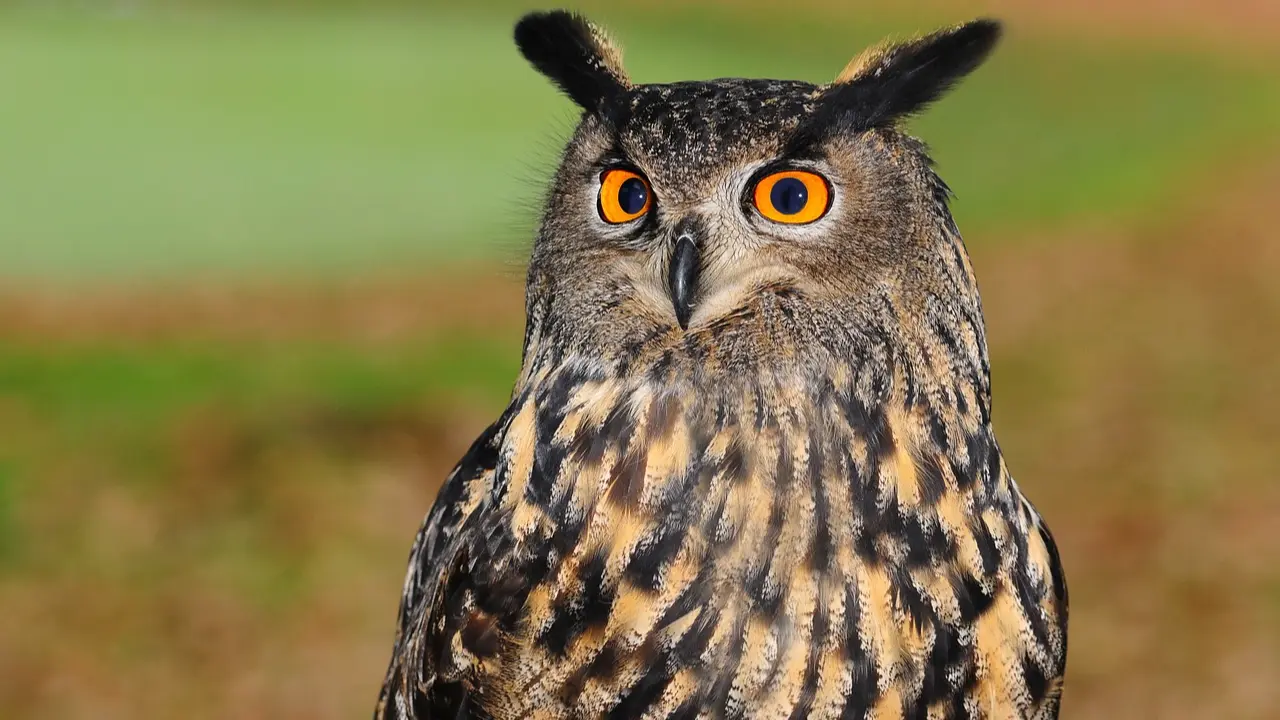
04 December,2025 10:07 PM IST | Mumbai | mid-day online correspondentIn an environment-friendly gesture, quarrying has been stopped for about a month at a stone quarry in Vikarabad district in Telangana to let a rock eagle owl, a rare bird, hatch its eggs. The Telangana forest department quickly swung into action after being alerted by wildlife photographers and conservationists about the presence of the bird and the eggs. Vikarabad District Forest Officer Gnaneswar told PTI on Thursday that wildlife photographer Manoj Kumar Vittapu, who visited the grassland at Yenkathala in Vikarabad about six days ago, informed the Telangana's Principal Chief Conservator of Forest (PCCF) C Suvarna about the presence of the rock eagle owl and its five eggs. The PCCF asked the Vikarabad district forest officials to quickly take safety measures. The forest department personnel who reached the site informed the stone crushing unit owner Laxma Reddy about the presence of rare bird species and the eggs, he said. The unit owner agreed not to disturb the bird till the hatchlings fly. The forest department personnel have been keeping a close watch on the bird since then on a daily basis, Gnaneswar said. The rock eagle owl, which preys on insects, rats and others, is mainly found in South East Asia. Compared to other owls, it inhabits rocky areas, he said. "It's a rare species though it is not endangered. Its sighting is rare," the official said. Though it is not known when the bird laid the eggs at the Yenkathala grassland, it is expected that hatching would happen in another 15 days. The hatchlings would fly away if protective care is taken for 20-25 days, he said. The rock eagle owl incubates the eggs and ensures that they remain warm, he added. Vittapu, who is also joint secretary of Telangana Photographic Society, told PTI that he visited the Yenkathala grasslands as part of a birding visit on November 30. He said he noticed the eggs which were located between the quarry cliff and the ground. The earthmover driver at the quarry stopped the mining (stone crushing) after being alerted. The driver and other personnel were aware of the presence of the bird. This story has been sourced from a third party syndicated feed, agencies. Mid-day accepts no responsibility or liability for its dependability, trustworthiness, reliability and data of the text. Mid-day management/mid-day.com reserves the sole right to alter, delete or remove (without notice) the content in its absolute discretion for any reason whatsoever
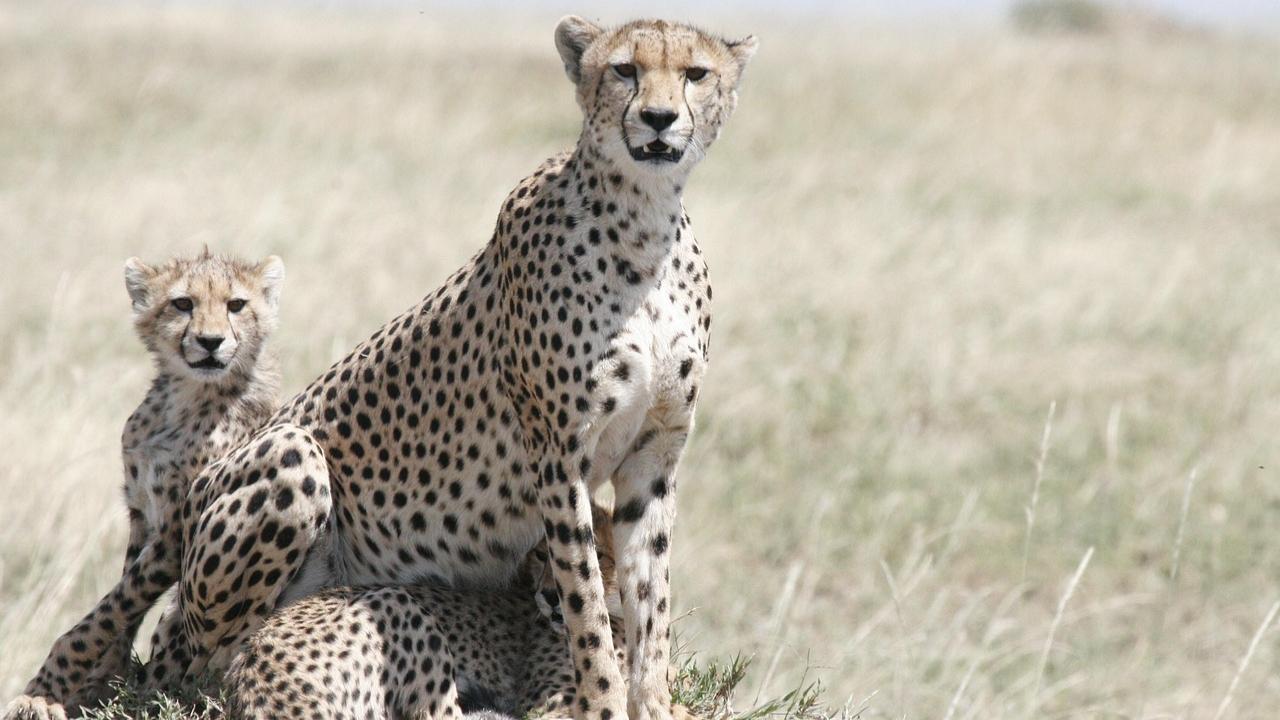
04 December,2025 09:27 PM IST | Hyderabad | PTIFor 35 years, American zoologist Laurie Marker has been collecting and storing specimens in a cheetah sperm bank in Namibia, hoping conservationists never have to use them. But she worries that the world's fastest land animal might be on the brink of extinction one day and need artificial reproduction to save it. Marker says the sperm bank at the Cheetah Conservation Fund she founded in the southern African nation is a 'frozen zoo' of cheetahs she's been building since 1990. It would be utilised in a worst-case scenario for the big cats, whose numbers have dropped alarmingly in the wild over the last 50 years. "You don't do anything with it unless until it's needed," Marker, one of the foremost experts on cheetahs, told The Associated Press from her research centre near the Namibian city of Otjiwarongo. "And we never want to get to that point." Conservationists mark World Cheetah Day on Thursday with less than 7,000 of them left in the wild, similar numbers to the critically endangered black rhino. There are only around 33 populations of cheetahs spread out in pockets mainly across Africa, with most of those populations having less than 100 animals, Marker said. Like so many species, the sleek cats that can run at speeds of 70 miles per hour (112 km per hour) are in danger from habitat loss, human-wildlife conflict and the illegal animal trade. Their shrinking, isolated groups mean their gene pool is shrinking also as small populations continuously breed among themselves, with repercussions for their reproduction rates. Globally, cheetah numbers in the wild have dropped by 80 pct in the last half-century and they've been pushed out of 90 pct of their historical range. Scientists believe that cheetahs already narrowly escaped extinction at the end of the last ice age around 10,000-12,000 years ago, which first reduced their gene pool. Marker said the lack of genetic diversity, along with the fact that cheetahs have 70-80 pct abnormal sperm, mean they might need help in the future. "And so, a sperm bank makes perfect sense, right?" Marker said. Storing sperm is not unique to cheetahs in the wildlife world. It's a tactic that conservationists have developed for other species, including elephants, rhinos, antelopes, other big cats, birds and others. The value of animal reproductive research, Marker said, is seen in the desperate battle to save the northern white rhino from extinction. There are just two northern white rhinos left, both females, making the species functionally extinct with no chance of reproducing naturally. Their only hope lies in artificial reproduction using northern white rhino sperm that was collected and frozen years ago. Because both remaining northern white rhinos 'a mother and daughter' can't carry pregnancies, scientists have tried to implant northern white rhino embryos in southern white rhino surrogates. The surrogates haven't managed to carry any of the pregnancies to term, but the conservation team has committed to keep trying to save northern white rhinos against all odds. Other efforts around artificial reproduction have been successful, including a project that bred black-footed ferrets using artificial reproduction after they'd been reduced to a single wild population in Wyoming in the United States. Marker doesn't chase down cheetahs to collect their sperm but takes samples opportunistically. In Namibia, cheetahs are mostly in danger from farmers who view them as threats to their livestock, meaning Marker's team are called out for cats that have been injured or captured and will collect samples while treating and releasing them. Sperm samples can also be taken from dead cheetahs. "Every cheetah is actually a unique mix of a very small number of genes. We will try to bank every animal we possibly can," Marker said. The samples from approximately 400 cheetahs and counting are now stored at ultralow temperatures in liquid nitrogen at the Cheetah Conservation Fund laboratory. Marker's research does not involve any artificial insemination as breeding wild animals in captivity is not allowed in Namibia. Should cheetahs be threatened with extinction again, the first backup would be the roughly 1,800 cats living in zoos and other captive environments. But, Marker said, cheetahs don't breed well in captivity and the sperm bank might be, like the northern white rhinos, the last resort. Without it, 'we're not going to have much of a chance,' Marker said. This story has been sourced from a third party syndicated feed, agencies. Mid-day accepts no responsibility or liability for its dependability, trustworthiness, reliability and data of the text. Mid-day management/mid-day.com reserves the sole right to alter, delete or remove (without notice) the content in its absolute discretion for any reason whatsoever
04 December,2025 09:25 PM IST | Cape Town | APCyclone Ditwah, a tropical storm that formed over the Southwest Bay of Bengal on November 26, has left a trail of destruction in Sri Lanka and is now moving northwards, travelling parallel to the northern part of Tamil Nadu and Puducherry coasts. As the system continues to intensify over the sea, the India Meteorological Department (IMD) has issued red alerts for Tamil Nadu, Puducherry, and South Andhra Pradesh, urging residents to stay prepared for adverse weather conditions. Origin Cyclones, also known as tropical storms, develop over warm ocean waters where the sea surface temperature is high enough to trigger atmospheric instability. When warm, moist air rises from the ocean, it cools and condenses to form clouds. This process releases latent heat, which further fuels the system, creating a cycle of rising air, cloud formation, and intensification. As this structure grows vertically, the Earth’s rotation causes it to spin. In the Northern Hemisphere, this rotation is counter clockwise, while in the Southern Hemisphere it is clockwise. Cyclone Ditwah emerged from a well-marked low-pressure area over the Southwest Bay of Bengal on November 26. Over the next few days, favourable conditions, such as warm sea surface temperatures, low vertical wind shear, and ample moisture helped the system strengthen into a named tropical storm. What does ‘Ditwah’ mean Tropical storms across the world are named by the World Meteorological Organization (WMO) to improve communication, avoid confusion during forecasts, and support disaster risk awareness. Naming the cyclone is essential because multiple storms can form at the same time in the same region or across the globe, making clear identification crucial for issuing warnings and coordinating relief efforts. The name ‘Ditwah’ was contributed by Yemen. It is inspired by the Detwah Lagoon, a pristine ecological hotspot in Yemen’s Socotra Archipelago, known for its unique biodiversity, crystal-clear waters, and dramatic landscapes. Each country in the region contributes a set of names, and the list—consisting of contributions from 13 countries, including India, Bangladesh, Pakistan, Sri Lanka, Thailand, the UAE, and others—is used sequentially. Impact and forecast According to the red nowcast warning, IMD has predicted heavy rainfall exceeding 15 mm per hour, along with moderate thunderstorms and maximum wind speeds of 40–60 kmph. Coastal regions have been advised to remain cautious, with the possibility of waterlogging, rough sea conditions, and disruption to transport. The next cyclone on the list will be named ‘Arnab’, a name that means ‘frog’ and is also commonly used as a neutral personal name in some cultures.
03 December,2025 09:50 PM IST | Mumbai | mid-day online correspondentTwo researchers from an astrophysics institute in Pune have discovered one of the most distant spiral galaxies ever observed - a massive, well-formed system that existed when the universe was just 1.5 billion years old. The finding adds to growing evidence that the early universe was more evolved than previously assumed, they said. Named 'Alaknanda' after a Himalayan river, the grand-design spiral galaxy challenges existing theories on how early complex galactic structures formed, the researchers said. "Finding such a well-formed spiral galaxy at this early epoch is quite unexpected. It shows that sophisticated structures were being built much earlier than we thought possible," one of the researchers said. Despite being present when the universe was only 10 per cent of its current age, Alaknanda appears strikingly similar to the Milky Way. The findings have been published in the European journal 'Astronomy & Astrophysics'. Using NASA's James Webb Space Telescope (JWST), researchers Rashi Jain and Yogesh Wadadekar from the Pune-based National Centre for Radio Astrophysics (NCRA-TIFR) identified the galaxy. "Alaknanda lies at a redshift of about 4, meaning its light has travelled more than 12 billion years to reach Earth," Jain said. "We are seeing this galaxy as it appeared just 1.5 billion years after the Big Bang. Finding such a well-formed spiral galaxy at this early epoch is quite unexpected. It shows that sophisticated structures were being built much earlier than we thought possible," she said. Using JWST's infrared sensitivity and resolution, the team found that Alaknanda contains roughly "10 billion times the mass of the sun in stars" and is forming new stars at about 63 solar masses per year, nearly 20 to 30 times the Milky Way's current rate, the researchers said in a release. Before JWST, astronomers believed early galaxies were chaotic and clumpy, with stable spiral structures emerging only after several billion years, they said. Dominant models suggested that early galaxies were too "hot" and turbulent to form ordered disks capable of sustaining spiral arms, the release said. "Alaknanda tells a different story," Wadadekar said. "This galaxy had to assemble 10 billion solar masses of stars and build a large disk with spiral arms in just a few hundred million years. That's incredibly rapid by cosmic standards," he said. The discovery adds to growing JWST evidence that the early universe was more evolved than previously assumed. "While other disk galaxies have been spotted at similar distances, Alaknanda is among the clearest examples of a spiral galaxy with well-defined arms at such a high redshift," the release said. Jain said the team chose the name Alaknanda - one of the two main headstreams of the river Ganga - because of its connection to the Milky Way."Just as the Alaknanda is the sister river of the Mandakini, which is the Hindi name for our own Milky Way, we thought it fitting to name this distant spiral galaxy after the Alaknanda river," she said. Although Alaknanda's photometric redshift is well-established, follow-up observations with JWST's NIRSpec instrument or the Atacama Large Millimeter/submillimeter Array (ALMA) are needed to measure its disk rotation, the researchers said. "These measurements will reveal whether the galaxy's disk is 'cold' and orderly or 'hot' and turbulent, helping scientists understand how its spiral arms formed," they added. This story has been sourced from a third party syndicated feed, agencies. Mid-day accepts no responsibility or liability for its dependability, trustworthiness, reliability and data of the text. Mid-day management/mid-day.com reserves the sole right to alter, delete or remove (without notice) the content in its absolute discretion for any reason whatsoever.
03 December,2025 10:25 AM IST | Pune | PTIA new study has found that Africa's forests, usually vital for the fight against climate change, could be emitting more carbon than they absorb, highlighting the urgent need for stronger global forest protection efforts. Analysing satellite data, researchers from the UK, Europe and Africa, found that the continent gained carbon from 2007 to 2010. However, between 2010 and 2017, Africa's forests lost approximately 106 billion kilograms of forest biomass per year -- equivalent to the weight of about 106 million cars, they said. Tropical forests are considered 'carbon sinks' because they absorb more carbon dioxide from the air than they release. But evidence from studies is increasingly suggesting that deforestation and disruptions, such as wildfires runs the risk of turning many of the world's forests into a 'carbon source' from 'carbon sink'. The study, published in the journal Scientific Reports, noted "Africa's forests and woody savannas have historically acted as a carbon sink, removing atmospheric carbon and storing it as biomass". "However, our novel analysis reveals a critical transition from a carbon sink to a carbon source between 2010 and 2017," the authors wrote. The analysis combines data gathered from the US' and Japan's space programmes and on-ground forest measurements. The result is the most detailed map to date of biomass changes across the African continent, covering a decade, at a resolution fine enough to capture local deforestation patterns, the researchers said. Senior author Heiko Balzter, professor and director of the Institute for Environmental Futures at the UK's University of Leicester, said, "This is a critical wake-up call for global climate policy". "If Africa's forests are no longer absorbing carbon, it means other regions and the world as a whole will need to cut greenhouse gas emissions even more deeply to stay within the 2 degrees Celsius goal of the Paris Agreement and avoid catastrophic climate change," Balzter said. Climate finance for the Tropical Forests Forever Facility, launched at the recently concluded COP30, must be scaled up quickly to put an end to global deforestation for good, the senior author said. Author Pedro Rodriguez-Veiga, from the National Centre for Earth Observation at the universities of Leicester, Sheffield and Edinburgh, said the study shows "deforestation isn't just a local or regional issue -- it's changing the global carbon balance." "If Africa's forests turn into a lasting carbon source, global climate goals will become much harder to achieve. Governments, the private sector, and NGOs must collaborate to fund and support initiatives that protect and enhance our forests," Rodriguez-Veiga said. This story has been sourced from a third party syndicated feed, agencies. Mid-day accepts no responsibility or liability for its dependability, trustworthiness, reliability and data of the text. Mid-day management/mid-day.com reserves the sole right to alter, delete or remove (without notice) the content in its absolute discretion for any reason whatsoever
01 December,2025 03:30 PM IST | New Delhi | PTIClimate crisis will hit the poorest and most marginalised the hardest -- those who have contributed least to the problem and have the least resilience to changing weather patterns, said top representative of a global campaign advocating for a new treaty to phase out fossil fuels. In an exclusive interview with PTI Videos, Alex Rafalowicz, Director of the Fossil Fuel Non-Proliferation Treaty initiative, said that in terms of the formal agreements reached at COP30, "we are still drastically off track" in confronting the climate crisis. "To stop the acceleration of these disasters, we need a genuine plan to phase out fossil fuels and to end deforestation. COP30 did neither. So at the highest level, we must be honest, we are off track," Rafalowicz said. The United Nations climate talks in Brazil reached a subdued agreement recently that pledged more funding for countries to adapt to the wrath of extreme weather. But the catch-all agreement does not include explicit details to phase out fossil fuels or strengthen countries' inadequate emission cutting plans, which dozens of nations demanded. Noting India's dependence on fossil fuels, Rafalowicz told PTI that the first step in addressing any dependency is acknowledging it and committing to move beyond, even without every pathway detail in place. "We can discuss a reasonable pathway that ensures continued access to energy, especially for people who currently lack it, and that ensures just transition plans for workers in fossil fuel sectors. This is precisely the conversation Colombia and the Netherlands want to begin. India, given its ambition for renewable energy, would be very welcome," the director of the Fossil Fuel Non-Proliferation Treaty initiative told PTI. When asked what factors influenced the absence of a fossil fuel language in the global Mutirão text at the UN climate talks, Rafalowicz emphasised that political will, public pressure, and lobbying -- all influenced COP negotiations. He also cited the UK's shift to support the just transition mechanism after sustained public and trade union pressure as an example of how government positions can change, and stressed that coal, oil, and gas remain the main sources of carbon dioxide emissions -- framing the climate challenge as a fossil-fuel crisis. "We must acknowledge the huge number of industry lobbyists at these conferences. One in 25 attendees represented fossil fuel-related industries or corporations. Their interest is to limit action. Eighty-six per cent of the cardon dioxide trapped in our atmosphere over the past decade has come from coal, oil and gas. If we cannot address these three products, we cannot address the climate crisis. It is fundamentally a fossil fuel crisis," he said. Highlighting that fossil fuels have never delivered sustainable development, Rafalowicz expressed concerns over the destruction of ecological limits and fossil fuels causing significant harm -- from polluted city air to Amazon oil spills and escalation of other climate impacts. When asked if nations who are major producers of fossil fuels can derail their goals, he said, "They can try, and they can slow progress, but they cannot derail the transition that is already underway. Renewable energy installation is almost surpassing annual increases in demand." Electric vehicles are rapidly replacing petrol vehicles, and oil consumption is expected to decline quickly, he added. Rafalowicz further said the central questions are whether the transition can be made quickly enough to avert severe climate impacts and whether it can be achieved fairly. He warned that leaving the shift entirely to market forces would allow "powerful players" to gain the most, resulting in a slow and inequitable transition that would not serve India's interests or those of many other countries. Such an approach, he added, may benefit elites in the United States, Saudi Arabia or Russia, but not the majority of people. Speaking about Colombia and the Netherlands co-hosting first international conference on the just transition away from fossil fuels, Rafalowicz said that the event was announced alongside about 24 countries during COP30, and 15 other countries meet the criteria of having a strong vision for getting off fossil fuels. "I expect around 40 countries from every continent. Colombia envisions technical dialogues to develop best practices for overcoming fossil fuel dependence and to propose changes to the international system to accelerate the transition," he said. This includes discussions on new legal avenues, the International Court of Justice's decision, the COP Presidency's roadmap on phasing out fossil fuels, and the possibility of establishing a new treaty focused specifically on fossil fuels. The first international conference on the just transition away from fossil fuels is slated to be held on April 28 and 29 in 2026, in the port city of Santa Marta, Colombia. This story has been sourced from a third party syndicated feed, agencies. Mid-day accepts no responsibility or liability for its dependability, trustworthiness, reliability and data of the text. Mid-day management/mid-day.com reserves the sole right to alter, delete or remove (without notice) the content in its absolute discretion for any reason whatsoever
27 November,2025 01:13 PM IST | New Delhi | PTIADVERTISEMENT